
How Caregiving Teams Stay Connected and Aligned
Intro
When multiple caregivers support a single person—whether in home care, assisted living, or community settings—communication can easily fall through the cracks. A missed detail here, an unshared concern there, and suddenly the person you’re all caring for isn’t receiving coordinated, consistent support. At Biscochito, we created a solution for this, and we call them “Huddles”. Huddles are brief, focused team meetings where caregivers collaborate, advocate for the person they support, and ensure everyone is aligned on priorities and challenges. In this article, we’ll explore what huddles are, why they matter, and how self-governing caregiver teams use them to deliver compassionate, coordinated care.
What Are Huddles? The Heart of Team Communication
Huddles are designed to cultivate collaborative connection and consistent communication. Each huddle is a short, structured team meeting where caregivers pause to share information, discuss concerns, and make decisions together. Think of it as a practice borrowed from sports and healthcare: players or providers huddle to align on strategy before the next play or shift.
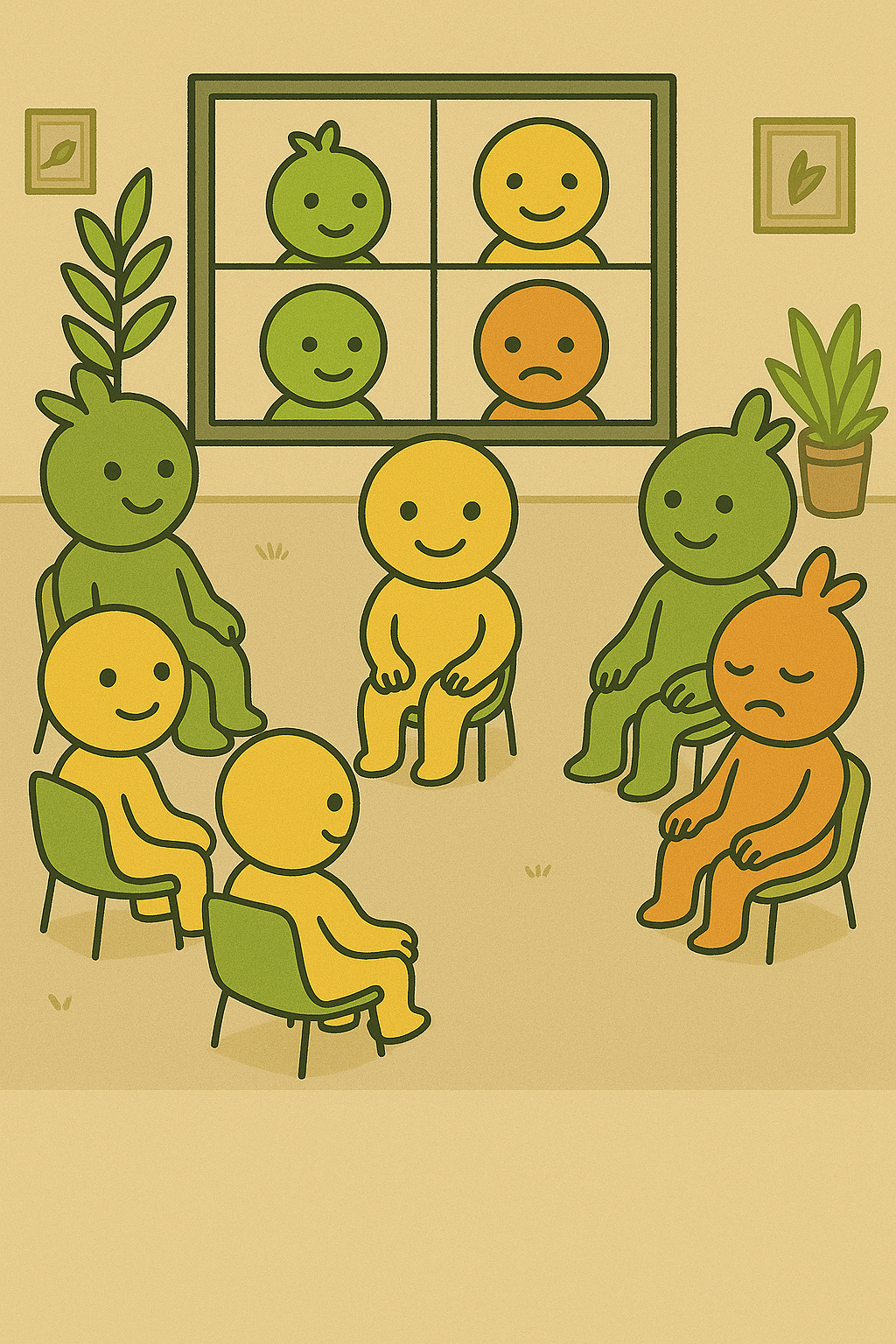
In caregiving, huddles work the same way. They might happen daily, a few times a week, or as needed. Caregivers gather (in person or virtually) to touch base on how the person they support is doing, what’s working well, what’s challenging, and what needs attention. A huddle might last 15 minutes or an hour, depending on the team’s needs and the complexity of care.
What makes huddles even more powerful is that they are self-governing. There’s no manager calling the shots; instead, the caregiving team owns the conversation. This creates space for frontline caregivers—the people who spend the most time with the person—to voice observations, concerns, and ideas. It’s democratic, grounded in trust, and centered on the person you’re all supporting.
Why Huddles Matter: Benefits for Everyone
For the person receiving care: Huddles mean continuity. When caregivers communicate openly, inconsistencies disappear. The person experiences the same routines, preferences, and supportive approach from everyone on the team. They’re less likely to be asked the same question twice or feel frustrated by conflicting guidance.
For caregivers: Huddles reduce isolation and prevent burnout. Caregiving can feel lonely, especially when working shifts or in different environments. Huddles create belonging—a chance to be heard, to learn from teammates, and to shoulder responsibility together rather than alone. They also build trust. When caregivers huddle regularly, they understand each other’s strengths, values, and communication styles. They become a team, not just people doing separate jobs for the same individual receiving care.
For families and care coordinators: Huddles create accountability and clarity. When a team huddles, everyone knows the plan. There are fewer surprises, and concerns get surfaced quickly. Families feel confident that their loved one is receiving coordinated, intentional support from a team that shares a consistent commitment to providing quality care.
How Biscochito’s Approach to Huddles Reflects Caregiver-Led Values
At Biscochito, caregivers aren’t just employees—they’re the heart of what we do. That’s why self-governing huddles align so naturally with our philosophy. Caregivers at Biscochito understand that they’re closest to the person they support. They see what works, what doesn’t, and what matters most. Huddles create space for caregivers to lead and to tailor their care to each individual, and as a coordinated team.
Biscochito caregivers seek to bring loving-kindness to every interaction, and this extends to how they work together. Huddles reflect this: they’re not rigid meetings with agendas handed down from above. Instead, they’re spaces where caregivers can speak honestly, ask questions, and collaborate on solutions. When a caregiver notices a shift in mood or a new need, the huddle is where this gets shared and addressed collectively. When a person on the team is struggling, the huddle becomes a place of mutual support.
This caregiver-run, care-centered approach means huddles serve the person first—not a company’s bottom line or manager-motivated policy.
Practical Guidance: Running Effective Huddles on Your Caregiving Team
If you’re building a caregiving team or want to strengthen communication, here are some concrete steps:
Start with intention: Decide when huddles will happen. Daily before shifts? Weekly? As needed? Consistency matters more than frequency. People show up when they know it’s a priority.
Keep it focused: Spend the first few minutes sharing how the person is doing—their mood, any changes, wins from the past day or week. Then move to concerns or challenges. Finally, align on what each caregiver will pay attention to or do differently. Avoid tangents; respect everyone’s time.
Make space for every voice: In a good huddle, a new caregiver feels as welcome to speak as a veteran. Ask open questions: “What are you noticing?” “What would help this person right now?” “What are you concerned about?” Listen without judgment.
Document what matters: You don’t need complex systems. A shared notebook, a note on the refrigerator, or a simple digital note suffices. Write down decisions, concerns, and anything the person has communicated about their preferences or needs.
Build in reflection: Occasionally, take five minutes to reflect on how huddles are working. Are they helping? Is the timing right? Does the format serve your team? Adjust as needed. Huddles should evolve with your team.
Center the person’s voice: Before every huddle, ask: “What would [person’s name] want us to know about how we’re doing as a team?” Sometimes you can ask them directly. This keeps the focus where it belongs—on their dignity, preferences, and wellbeing.
A Reflection: When Caregivers Huddle, Connection Deepens
Huddles might sound like a simple practice—just a team meeting. But they represent something profound: recognition that caregivers are professionals, leaders, and their input and collaboration build trust and the space for person-centered care. When caregivers huddle, they’re not just exchanging information. They’re practicing mutual respect, building a culture of honesty, and centering the person they support in every decision.
In a world where caregiving work is often invisible and undervalued, huddles make it visible. They honor caregiver wisdom, strengthen team bonds, and ultimately ensure that every person receives care that’s coordinated, compassionate, and grounded in their lived experience. When caregivers stay connected and aligned, the person they support thrives—and so does the team.
Call to Action
If you’re part of a caregiving team or thinking about how to better coordinate support for a loved one, consider starting with huddles. Whether you’re in Santa Fe, Houston, Boulder, or beyond, Biscochito caregivers understand the power of self-governing teams built on trust and loving-kindness. If you’d like to explore how Biscochito’s approach to team-based care can support your loved one, we’d love to connect. Learn more about our in-home care, care coordination, and caregiver-led services, or schedule a conversation with us today.